Snack Bars: What To Look For In The Ingredients List

Snack Bars:
What To Look For In The Ingredients List


How often do you take the time to read the ingredients, the percentages of each ingredient and not just read but also think about what you are seeing?

I seldom have bars, almost never, and there is one main reason. We, health and fitness professionals, tell you all the time to eat unprocessed foods, right? And then we recommend bars, shakes and powders. Those are processed. I don’t mind them, not at all. My point is don’t say eat unprocessed and recommend processed. Does that make sense?

To turn your food into powder or make a compact bar it needs to go through a lot of processing. And they use the same products you’d buy from your store, they don’t use organic, some do but most don’t. And even if they did they go through so many processes that they lose whatever was in them in the first place.

I don’t really endorse any particular brand. If asked I can give my opinion, but most of the time I will tell you to avoid processed food which also includes the above.

The other day I posted on my Facebook timeline a picture with bars, such as paleo bars, quinoa bars, fruit bars and others.

And I said don’t just grab whatever bar you see on shelves, just because it says it’s good. Take time and read the ingredients and percentages.

One of my followers asked what to look for in bars. And I thought the answer to this question will help everyone. This is what I pay attention to for myself, I don’t buy them but I like to keep up to date with what’s out there:


1. Sugar

Let’s begin with this. Companies started to leave sugar out of bars, particularly in the case of fruit bars because fruit are already sweet of course.

However, we forget that fruit also contains sugar. Yes, indeed the natural sugar is processed by the body in a different way. But what we did is take out the refined sugar and replace it with loads of sugar from fruit, such as dates. You must remember that fruit are also sugar. And dried fruit are very high in sugar.

Some bars are made out of 50% dates. I understand dates are needed for consistency and to keep the bar together. But it’s too much sugar from dates and all the other fruits added.

Thus, look for sugar content, and see whether it comes from natural sources, hopefully yes. The lower the sugar content the better, but if the bar is made with fruit sugar content will be higher of course.

I am not sure for bars but in the case of juices 15g sugar per 100g juice is maximum you should go for, I’d actually say less than 10g / 100g. In the case of bars sugar will be higher in general.

Compare a few products to decide which one to go for.


2. Apple juice from concentrate

If we try to eliminate as much processed food as possible then let’s do it as best as we can. To make concentrated apple juice, apples go through a lot, a lot of processing.

They are smashed, juiced, filtered, the water is evaporated and you are left with a high sugar, no fibre, no nutrient concentrated liquid. This is transported (concentrated juice weighs less so it’s cheaper) and combined with water, at its destination, to make apple juice. And that’s apple juice from concentrate. Concentrated juice from other fruit go through the same process.

On top of that if metal is used for smashing apples oxidize and, in a nutshell, there is not much left in them.

Not all bars have fruit juice from concentrate. If I buy a bar I go for bars without fruit juice from concentrate.

bars

3. Nuts

Nuts are good to balance the blood sugar levels, more correctly is to say glycogen. If there are ingredients that spike blood sugar levels nuts and seeds will keep them balanced.

But, if you are looking to reduce calories intake a bar full of nuts is not your best choice. Why not get an apple and a handful of nuts and eat. You have better control over how much and what you eat then having a bar made by someone else.


4. Protein, carbohydrate and fats

Protein bars have a lot of protein of course. What I look for is the source of protein. Is it natural ingredients such as nuts or is it protein powder which?

Carbohydrate. In the case of protein bars carb content will be lower. If not, for fruit bars, it will be higher. Fruit carbohydrate comes only from sugars. If we didn’t have the fibre in fruit we’d be in trouble, blood sugar levels (glycogen) would sky rocket. That’s what’s missing in commercial juices by the way, that makes them so dangerous.

Fats. Again, the sources of fats are important. Is it butter? Is it nuts? What is it?

Where do your macronutrients (fats, carbohydrate, protein) in the bar you choose come from? This is what you want to ask yourself.


JUDGE FOR YOURSELF

These are things I look for whenever I read the labels or if I decide to try out a new bar and see what up with it.

You now need to read labels, compare products and decide which is the bar for you.


My personal choices

Bars are very easy for transportation and they don’t get mushy and messy like fruit do. They also take up a lot less space. Therefore I have two options I go for, when I need to:

1. Nakd Bars – Berry Delight (no apple juice from concentrate)

2. Frutina Real Fruit Snack – 100% dried fruit puree

By the way, I am not an affiliate of these brands, I do not get anything from telling you about this. However, if you buy anything from my amazon store, then I do, from amazon.

You can find the products and different brand I use on the UWF amazon store, including Nakd bars and Frutina.


Would you like a more personal advice? Contact me, I will offer you a 45 min consultation free of charge. Click here to get in touch

Insight Into My Personal Nutritional Habits

Insight Into My Personal Nutritional Habits


I think every one of my clients ask me the same question at one point in our coaching journey: Alex, what do you eat?

So I thought I would write some of my habits and answer this question for them and everyone else. They are neither the best habits nor the worst. Choose the ones you believe can benefit you.

I will talk about things that I do and things I do not do in terms of nutrition. And I will try to keep it real and tell you about the less good things as well hoping you will find something to learn from this.


Consistency

I have sustained this type of diet and lifestyle for many years. A few exceptions were made when I moved from country to country, when the first 3-6 months were a struggle to adapt to the local food.

However, my body is very well adapted to this kind of diet and lifestyle. So if you try any of these habits and you find they do not work in the first 3-6 months that means that either your body needs more time to adapt or this is not the right thing for you.

Just bear in mind that a lifetime of poor habits takes more than just a few months to change and for the body to adapt. You need patience and perseverance, be committed to your daily habits and don’t make exceptions after exceptions.

After all, exceptions made on a regular basis are actually habits.

Exceptions from my rules

Since we mentioned exceptions I make exceptions one day a week, and many times not even that. I don’t do this because I have to, but because I do not need to make those exceptions.

Many times we make exceptions because friends and family urge us to “have a break”. I don’t allow this to happen, and if I do I am very controlled no matter how much I like what I am eating.

I have developed this control over the years. It’s not something I’ve always done.

lifetime_habits

Fuel

Food for me is fuel for my body. Thus my food choices follow this rule. Taste is just an awesome add on.


Processed stuff

I used to have a pot of chocolate ice cream a month. I haven’t had for the past 3 months. But if I want it I will have it. I usually don’t want it, because I don’t really need it. Can’t think of anything else I have.


Dairy

Yes, I have dairy. Maybe a little too much sometimes. However I am aware of the quantity I have.

It is important to be mindful of your habits as this way you will be able to control them.

In my case dairy is cheese, white cheese (you find this in eastern Europe more), goats cheese (not any goats cheese) and yoghurt. That’s pretty much it.


Meat and fish

I grew up eating meat, all sorts. I am not vegetarian today but I eat meat very seldom. I do have fish 2-3 times a week.


Fruit

Every day. I don’t particularly like bananas for two reasons: there is not much water in them, they are pretty dry for me and they have a lot of sugar.

Since I don’t have a lot of sugary foods, bananas for me don’t taste that awesome. On the other hand I have them if I have no other choice of fruit.

I don’t have dried fruit. It’s again the taste of high sugar that I don’t like. This happens because I don’t have sugar in general so when I do have it’s too much.


Fresh vegetables

Every day. Every day I either have a big salad with each of my meals or I have them cut on a plate and I just have them like that, with cheese, or next to eggs, or whatever.

I always have my salads with: vinegar (not vinaigratte, but wine, apple or plum vinegar), olive oil and salt.

water-lemon

Drinks

Water. How much? Don’t know. I drink throughout the day, I have it next to me and in my back pack and I just drink.

Unsweetened tea. Not every day.

Warm water with lemon and ginger every morning and sometimes during the day. It’s not a “trend” thing though. I like lemon in general.

Grapefruit juice I make myself. By the way, have the pulp, the best things are in the pulp.

Coconut water….once in a blue moon when water and tea become useless for hydration. That’s it really.


Snacks

Baby or plum tomatoes, carrots, cucumbers.

Fruit. Depending on the season: strawberries, oranges, nectarines, sometimes grapes.

Nuts and seeds. I used to have every day because they are convenient, particularly when I coach several consecutive sessions.

But I was beginning to have too many so now I seldom have them. Although nutritionist advise us to have fruit with nuts, that just makes me not eat either. The combination for me is not great.

Natural yoghurt


I have every day: diary (that;s cheese and natural yoghurt), legumes: beans, peas, broccoli etc; quinoa and other similar stuff, warm water with lemon (every morning! ), fruit, vegetables

Other things I probably have 1-3 time a week: rice, eggs, honey, humus, broth or soups, meat, fish.

Every 2 months or even less often: these are more like treats: cereal (with the least sugar i can find) with rice milk, home made rice pudding

Twice a year …or 3 times maybe, I go “crazy” and I have: pizza or chips


Other habits

I don’t eat after 6-7 pm. I like to go to bed with my stomach calm.

I eat when I am hungry.

I finish eating when I am still hungry, 80% full. Remember the Food Discipline lessons I wrote the other day? Check them out.

I eat little and I get hungry more often. So I eat little and often. The fact that I have my own business gives me the possibility to live on my own terms. Having little food as often as I need to is very important for me and I can do that now. So you can say I am lucky….made my own luck really.

Discipline. I have my own food diary. I know what I have had in the week and month and I am mindful of the quantity of food I eat.


So there you have it. A summary of my habits. There will always be ups and downs but I respect my rules, if not 100% then very close to that anyway. Why? Read The Story Of How I Changed My Relationship With Food to better understand


Questions? You know how to find me.

Food Discipline Lessons To Live By

Food Discipline Lessons To Live By


We all know why we gain weight, why we feel bloated or unwell. We all know that nutrition is what keeps us alive, healthy and in peak performance.

And we also know if the quality of the food we eat is not high quality then the way our body functions will not be either.

And you know very well, I am sure, the kind of food you should eat to allow your body to thrive and the kind of food your should avoid. We all know this.

However, for some reason, a lot of people still struggle to develop healthy habits. We make exceptions so often that they begin to look like regular habits rather then exceptions.

We blame it on sugar addiction and while it is true that once you start eating sugar it’s difficult to stop, I do not agree that sugar should be compared with drugs.

Many people, including myself, come off sugar and you don’t see us hitting our heads against the wall. Yes, we may be grumpy in the first 3-5 days after we stop eating sugar but once it’s out of the system it’s out. Until you bring it back that is.

Some cases I more difficult than others but, in the end, no one forces a tablespoon or ice cream down your throat. You do it yourself.

Looking back at my life, how I changed my relationship with food I realized that it was not the knowledge but the discipline that made the greatest difference.

If I didn’t have the discipline all the knowledge and nutritionists in the world wouldn’t have been able to change my habits. Your life cannot change until you decide and commit to change it.

So I dug deep into my personal habits and came up with Food Discipline lessons for my clients. And today I will share with you some of those lessons:


Lesson 1 – Eat high quality when craving otherwise

When you crave sweets or unhealthy snacks and foods think whether you have actually eaten a proper meal that day.

Many times we crave those things because we are actually hungry. Surely we don’t actually  need them. Once you eat a proper meal you will find that you don’t crave them anymore.

Eat high quality food when you crave unhealthy options.

The choice is yours.


Lesson 2 – Don’t have them when you crave them

Don’t give your brain the satisfaction of giving it what it craves, when it craves. It will never stop craving because it will learn that craving/asking also means receiving. So it will always crave.

Instead, if you do what to have that treat then have it when you do not crave it.

You have the power to decide what you are going to eat. You are in control of the decisions you make in your life.

Make a conscious choice not to have unhealthy foods when you crave them. You may realize that is a passing phase anyway.

The choice is yours.

food_discipline_lessons

Lesson 3 – Never twice

This is particularly important if you want to lose weight but also if you want to maintain it and also if you don’t want to feel bloated and….well it’s good for everyone really.

Sometimes we eat healthy but we overeat. And this itself prevents us from losing weight or makes us gain weight, as well as making the digestive system overwork.

One way to control the quantity of food you eat is to never serve yourself twice. Once you’ve eaten what was on your plate that’s it.


Lesson 4 – 30 Minutes

After you eat your meal don’t jump straight into dessert, even if it’s a fruit. Make a habit of waiting 30 min. It’s roughly the amount of time it takes the feeling of fullness to reach your brain.

By the end of the 30 min you might realize you don’t need to have anything else anymore.

And so you save yourself from feeling bloated, eating too much, feeling too full and of course calories for those of you who are looking to lose weight.

You can have your fruit later on, as a snack if you still want it. But give your digestive system time and room to breathe even if you really, really want to have that piece of fruit.

The choice is yours.


Lesson 5 – Fuel

Look at food as fuel for your body. Because, if we leave aside the love for food and it’s taste, that’s what food does.

That’s the purpose of food, it is not to satisfy our taste buds, although it’s nice to have both of course. However Its purpose is to keep us alive, to fuel us, our brain, our muscles, organs.

When you begin to understand this, really understand it, your food choices will change and you will begin to give your body good quality fuel.

And it can be tasty in the same time. It’s a win win.

This is one of the first things I did when I changed my relationship with food. If you haven’t read my story yet check it out here.


There are so many other habits and lessons I take my clients through on an individual basis, but for the moment 5 lessons are enough to get you started.


How to put them into application:

I always say focus on one thing at a time as it will make a greater difference.

Thus, you have 5 lessons. Each week focus on one lesson and one lesson only.

Tip: take a post it note or a piece of paper and stick in on your fridge so, throughout the week, you are constantly reminded about the Food Discipline lesson you have for the week.

After you so each lesson a few times they will become second nature and you will not need support.

Remember The choice is only yours. You are in control.


If you are considering implementing Food Discipline lessons in your life, or you’d like a different approach and different habits I can help you.

If you book a call for this purpose there will be no sales or pitching, instead I will help you with a plan to implement habits and Food Discipline lessons into your life starting today. Book a free call here.


How To Build Food Discipline

How To Build Food Discipline


One of those blogs again, right? How can you possibly build discipline in one step? It’s difficult, right?

Just because we lost control that doesn’t make it difficult. Is food controlling you? I mean, really! Don’t tell me food is controlling you.

You are in control. This might upset some people but it is the truth. You have the control over your life and that includes everything you eat. No one forces you to put that bagel in your month . You have the power to make choices. Through those choices you decide how tomorrow will look like.

Yeah, but I am fit, it’s easy for me to talk, right?

Ah, but you cannot assume that because I am fit today I was always like this and I don’t have my own struggles.

Secret #1: If I gave up training I’d start putting on weight. I eat a lot. I eat healthy, because that’s how I was brought up. But I eat a lot. And I can eat less, as I said it’s a choice. But I’d feel miserable. So I prefer to train.

Secret #2: I used to be about 10kg heavier than today, just a few years ago. I wasn’t always how you see me know. And it took me a few years to get here. Because I don’t exercise to lose weight. In fact I don’t exercise. I train, I train with a purpose. I train to learn and develop skills not to burn calories, those come with it.

Weight slowly came off when I began training and gaining control over the food I was giving my body. And it was bloody difficult, I tell you that. But IT IS POSSIBLE.

So I know a little something about food discipline

eating

How to build discipline

As always I love stories and I believe we learn from stories. So let me tell you what happened a couple of days ago.

It was a Sunday, and Sundays I only train in Karate and study. I study topics that will allow me to help my clients reach their goals in a more efficient way.

I woke up around 8 am. I knew I had planned my 2hr karate training in the afternoon, so all morning I did my QiGong routines and I read. Aaaaand…..I ate fruit. Yum!

However I didn’t take into account the 2h karate training and that I needed a bit more fuel than that.

It all went well though, I had really great and strong training session in preparation for the world championship. One of the best sessions I’ve had, I was half dead by the end. Felt awesome!

But then, on the way back……I began craving pizza. You see I have 2-3 pizzas a year and I didn’t have the 1st this year yet. And I also craved chips. Yeah…I crave stuff as well.

But every time I crave I make a conscious choice not to have them. Sometimes I also makes a decision to have those things I crave but NOT when I crave them. Remember this one:

The dogs that beg for food when you eat are those who know they will get receive food when they beg and make a lot of noise. I know my dogs do.

So discipline your mind and things will get easier. Start by NOT giving your brain the satisfaction by giving it what it craves, when it craves.

[tweetthis]Don’t give your brain the satisfaction by giving it what it craves, when it craves.[/tweetthis]

Knowing that these cravings were ONLY the sign of lack of food and nutrients, I began thinking, or rather forcing my brain into thinking, about the food I had in my fridge. Which is all boring, healthy food.

I kept thinking: what will I eat when I get home?

So I got home, had eggs and a big salad and cheese and then fruit and voila….cravings gone!!! Yes, it’s that simple. You are in control. It’s about making conscious choices.

Next time you crave something unhealthy keep in mind that it probably is because you haven’t eaten or haven’t eaten properly. Think before you act.

So that’s what you need to do: when you crave don’t give in and instead have the right kinds of foods. Cravings will disappear in most cases.


By the way, this is a lesson my mother taught me as a child. So if you have kids and you feel this is lesson could be useful for their future health then teach it to them. They will take it with them throughout their lives, just like I did.

You might think that kids don’t listen, but what you say stays with them, it’s imprinted into their subconscious and they will access that when they need it most.


Need to build food discipline but don’t know where to start? I can help you with that. However you must know that I cannot do anything for you if you don’t do the work. It’s ALL on you. I cannot come and take that pizza from you. You need to make the conscious decisions. If you really want food discipline and are committed and ready to put the work in then yes we can talk about it. Only if you are committed please.

What Is Raw Food? And Why Should You Care?

What Is Raw Food? And Why Should You Care?


Have you ever wondered why your shape may not be changing as fast as you’d like, despite going to the gym? Or why you may still be feeling tired or run down? Exercise, while vital to good health, is only one part of the equation. The other part of course is what we eat. And living food, or ‘raw food’, as it is often called, can be your ally both inside and outside of the gym. But what is raw food? And why should you care?

What is raw food?

Raw food is defined as any food that has not been heated to above 115 degrees Fahrenheit (46 degrees Celsius).

Many people think that this means carrot sticks and salads, but actually all it means is that the food has not been heated excessively.

Raw food can be marinated, chopped, blended, juiced, fermented (think wine, kombucha, sauerkraut) or dehydrated till crunchy (think kale chips, sprouted crackers, crunchy granola cereal).

What do fruit smoothies, granola, kombucha, tomato salsa, marinated mushrooms, wine and kale chips have in common?

They’re all technically ‘raw’!

Why should you care?

Here’s why raw food is fantastic for your health…and therefore your figure, your sports results and your energy:

Raw food retains many of the digestive enzymes that we need to maintain good health. The food is literally still ‘alive’, so its vitality hasn’t been totally lost.

Think of an onion: if you plant a raw onion, it will continue to grow. If you plant a cooked onion, it will rot.

The vitality in living foods makes all the difference to our health when we are eating them on a regular basis!

Pad_Thai

What can I eat apart from fruit and veg?

Nuts, seeds, edible flowers, superfoods such as maca and spirulina, seaweeds, natural sweeteners, sprouted beans and grains…all of these can be combined to make the most delectable dishes, including sprouted hummus, Thai green curry and chocolate pudding!

I and others like me specialize in creating living, vegan and gluten-free goodies:  cereals, soups, dips, pickles, curries, crackers, cheeses, chocolates, cookies, ice creams…the list goes on! And if I can do it, so can you.

What are the benefits of eating more raw food?

Here’s what people tend to notice: more energy and vitality, smoother skin, weight loss, weight gain, less need for sleep, relief from allergies and other issues stemming from food sensitivities, and improved well-being overall. Wow!

You can also improve your recovery time. My children do a lot of sport and also eat a lot of raw food – although they also eat a lot of other foods too – and they both have very fast recovery times. It’s amazing how much energy we can free up for ourselves by feeding our bodies food that is packed with vitality!

How much raw food do I need to eat to see a difference?

I always say ‘more than you were eating before’. And I do recommend listening to your body – it will guide you better than anyone. For example my partner lost over 4 stone by eating a high-raw diet but still eating meat. It was a vast improvement over what he was eating before!

Living foods are like any other way of eating: there’s the right way for one person and then the right way for you.

And there are wrong ways: there are some people who say they eat 100% raw food but they don’t look healthy because they’ve forgotten to look at the nutritional balance of what they are consuming. For example there is plenty of protein in living foods – dark leafy greens are full of protein, chia seeds are a complete form of protein – but you have to know that and not just eat nuts all the time. Balance, as with everything, is key.

Fresh juices, fruits, vegetables, nuts and seeds, superfoods, fasting, detox – these are useful for us all, but the degree to which you implement these things needs to be your own personal choice.

And it needs to be easy, fun and delicious – which is where I can help.


Disclaimer: The information in this article is designed for educational purposes only and is not intended to serve as medical advice. It should not be used for diagnosing or treating a health problem or disease. It is not a substitute for professional care. Your health is the sum total of all your life choices and appropriate professional care and guidance should be taken as you make changes to your diet. If you have or suspect you may have a health problem, you should consult your health care provider.


About Barbara:Guest_Post_Headshot_HiRes Barbara Fernandez, the Rocking Raw Chef, is a raw food expert who has been helping people learn to make delicious raw food that’s quick, easy and family-friendly for over ten years.

Barbara’s passion is teaching others how to make healthy food for themselves that is family-friendly, made with simple equipment and ingredients, ready in 5 minutes and above all, super delicious. “I’m a total foodie,” Barbara says. “I’d rather rock out than spend hours in the kitchen, and I’d definitely rather eat curry than chew on a carrot stick!”

Barbara feels very strongly that people should be allowed to start where they’re at, rather than be forced to adopt a 100% raw lifestyle. To this end, she specializes in what she calls ‘ONE meal for everyone’, enabling busy people to make raw food dishes quickly that can easily be combined with other foods so that parents and children, friends and lovers can all eat a single meal together, no matter where they may be on their own personal ‘food journey’.

Barbara holds David Wolfe’s Ultimate Raw Nutrition certification, is a graduate of Anthony Robbins’ Leadership Academy, is trained in Voice Movement Therapy and in addition to  singing, performing, giving interviews and teaching, she has written 7 ebooks on raw food, which are currently being published in both English and Spanish.

In addition to holding workshops, giving talks as well as singing her ‘rock it raw’ spoof songs, Barbara also holds Raw Food Detox retreats in the beautiful Cotswolds.

A free starter program as well as recipes, articles and tips are available at her website.

www.rockingrawchef.com

www.thecotswolddetox.com/rawfoodimmersion


100th Blog

100th Blog Post


Thought I’d make something special for my 100th blog post. So I picked (hand picked that is 😉 ) a few sentences from each blog post I wrote and added the link to the blog post it came from. A piece of wisdom from each of them. Some more interesting than others, but starting with the first ever…

    1. Researchers at the University of Essex in England are advancing the notion that exercising in the presence of nature has added benefit, particularly for mental health. Benefits of Exercising Outdoor
    2. Eating healthy snacks between meals helps control your weight and provides healthy protein, healthy fats, fiber and carbohydrates. Healthy Snack Ideas For You
    3. If you do them [breathing exercises] constantly you will feel great improvement on your stress levels,patience and coping mechanisms. Stress, anxiety and depression
    4. In the UK we have adapted the original food pyramid and underpinning guidance to follow what is called‘The Eatwell Plate’ . Nutritional Guidelines
    5. Just because it’s fruit doesn’t mean it’s good if you are trying to reduce the amount of sugar intake. 7 Easy Ways to Reduce Sugar Intake
    6. When breathing in a correct manner we have more power, more control over our bodies and we reduce the risk of certain injuries. Learn The Diaphragmatic Breathing Technique For Running
    7. Matcha tea is a natural caffeine boost & green tea finely milled or fine powdered.  Vivid Drink Matcha Tea Review
    8. Your skin absorbs anything you put on it from water to chemicals we use every single day several time a day. Why what you Put On Your Body is very Unhealthy and how you can Change that
    9. A mother’s depression, especially when untreated, can interfere with her child’s social, emotional, and cognitive development. What meaning do you give to depression?
    1. Even if you immune system is down you have less changes of contacting a virus outdoor than indoor with 100 other people. 7 Things I do to avoid the FluYoga silhouette virabhadrasana II warrior pose

    2. Use Ginger to reduce muscle and joint pain, swelling and stiffness Painkillers in your kitchen Part 1/4
    3. It is important to learn simple and fast ways you can do instantly to relieve the stress, center yourself and regain focus How to let go of stress instantly
    4. How you use your it determines how it works and how it feels; your body can be a well oiled machine or an old and rusty pickup truck. How To Use Your Body To Reduce Aches And Pains
    5. When you want to improve productivity, focus, reduce stress and be healthier but you struggle, there is nothing better that creating and nurturing a good habit, which comes automatic, it’s fast and easy. How to easily create healthy habits that stick long-term

    6. Rather than me or anyone else telling you what to eat I wanted to give you a very very brief explanation of what carbs are,, what are their properties and types of carbs are there.  Good carbs Bad Carbs
    7. Fitness, power and strength shape our bodies yes, but as a consequence our mental processes, our self esteem and finally the actions we take on a daily basis dramatically change. How fitness changes you at a physical and psychological level
    8. Do you dread Mondays? No need to, it’s a day like all the others. 10 Habits for a Happier, Healthier Monday
    9. The squat, even without any weight and when done properly, strengthens your stability muscles to recover faster after an injury, small or big, regain your balance faster and injury free when you trip, slip or otherwise lose balance, balance how the body functions, strengthening the weaker points. The squat: Why to do it,  How to do it
    10. Fish seems to help with tummy troubles such as Indigestion, irritable bowel syndrome, inflammatory bowel diseases. Natural Painkillers in your kitchen Part 2/4
    11. Reconnecting with the Earth’s electrons has been proved to promote intriguing physiological changes and subjective reports of well-being. What does Earthing have to do with mental health?
      PauseAnd breathe
    12. Meditation is not only about quieting your mind, but rather allowing your thoughts to pass, one by one, without judging them in any way. Meditation What, Where, How, When & Why
    13. If you want to make any changes in your life then you need to change your attitude, that’s what training in cold weather does. Why 99% of my clients are afraid of outdoor winter training
    14. Your brain is naturally turned on when the phone is around, waiting for alerts from it, this prevents the body from achieving the desired state of total relaxation. 7 reasons why you shouldn’t sleep with your phone
    15. Whether we talk about mindful eating, walking or running, they all contribute to our mental and physical wellbeing. 3 steps to Mindful Eating and its benefits
    16. Besides getting stronger and fitter I’ve gained so much more, higher self esteem, confidence, calmness, patience, resilience.[when I chose the outdoors over the gym] 6 reasons why I choose the outdoors over the gym
    17. For a food to taste good it need fats and sugars, if it lacks one it has more of the other; watch out fat free food lovers. 13 simple nutritional habits to improve your health right now
    18. “Everything breathes: breathing is the inspiration of Life within all living forms of reality” 1st Principle of Conscious Connected Breathing – J. Yost. How I breathed my way into physical and mental well-being
    19. Mindfulness is paying attention rather than anything else, mindfulness is everywhere and in everything we do. The role of mindfulness in my childhood
    20. Press-ups are not limited by muscle mass. You do not need muscles to be strong and those who have muscles are not necessarily stronger than those who don’t. How to do a full press-up and Why
    1. Although no one has ever seen the mind, we can consider the brain as the platform for the mind and thus a platform for out mental wellbeing. How nutrition affects our Mental Health
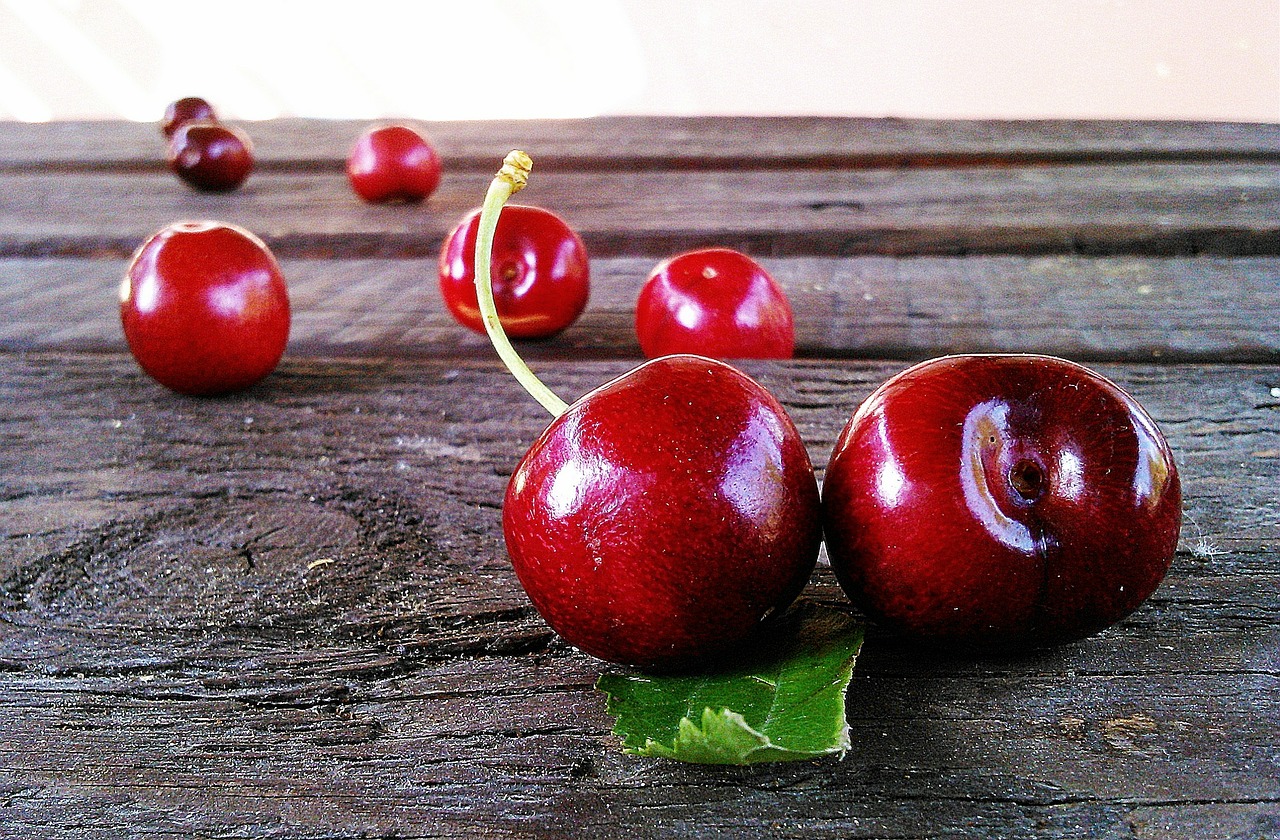
      cherries
    2. Calm joint and headache pain with Natural Painkillers in your kitchen Part 3/4
    3. When you want to achieve something there are times when you need a kick in the butt, and no one is more able, motivated and caring enough than your coach to do that. Why on earth would you want a Coach?
    4. Recovery it’s largely about tissue regeneration and nutrient delivery. How much rest do you need for fitness gains
    5. MOBILITY is the ability to move or be moved freely and easily. FLEXIBILITY is the quality of bending easily without breaking. The difference between Flexibility and Mobility
    6. Scientists have discovered a connection between connecting with the Earth and reducing inflammation in the body which is responsible for many diseases we suffer from. How I discovered Earthing
    7. [training outdoors] is the best way to warm up when you’re cold. You will walk around in a t-shirt while others have coats. 10 awesome things about training outdoors
    8. [Breathing] helps detoxify your body. 16 benefits of practicing deep breathing
    9. When we sit or stand tall the exchange of information is free to go back and forth helping us function at our optimum level, heal faster and better, have more energy and vitality and sending nutrients where we most need them. 3 ways to enhance your meditation experience
    10. Don’t go to bed with your mind running around.Allow your mind to settle before you fall asleep for a quality rest. 11 habits to help you feel better in your own body
    11. Rhythmic exercise, such as walking, can be conducive to the process of self-discovery. What is a walking consultation and Why I do it

    12. By stretching your fingers, toes and consequently wrists and ankles you: improve the blood circulation to those areas, you relax your tendons, ligaments, muscles which leads to relaxation further up the arm or leg and better connectivity to the hands/fingers, feet/toes, reduce the risk of plantar fascia or carpal tunnel syndrome, improve range of movement in your hands, wrists, feet, ankles and thus freedom of movement. How to stretch your fingers and toes and why
    13. Physical tension leads to impatience, mood changes, frustration and mental stress. This in turn lead to lack of focus, creativity and productivity. How to relax your shoulders while you sit tall
    14. [Self-Discipline] is one of the 20% skills that contribute to 80% of results when applied to the right habits or areas of our lives. Building Self-Discipline
    1. Make anger or stress a matter of minutes rather than days, weeks and months. How I managed to manage my anger and stress (when I used to be like this)Alexandra Merisoiu Urban Women Fitness
    2. “It was everything I wouldn’t and haven’t done before…it was LIBERATING” What Nadia has to say about her Urban Women Fitness outdoor training sessions
    3. Going to bed with your mind running around means it will still be running for a while after you fall asleep and there goes your restful night. How to wake up fresh and energized every morning
    4. A busy mind leads to an imbalanced body. And the opposite is also true, a balanced body leads to a balanced, calmer mind. 5 lessons I learnt from balancing exercises
    5. Walnuts, besides fats, have a good amount of iron, vit-B6 and magnesium, grapefruit (as you guessed) vit A and C in abundance and grapes vit-B6. Why listen to what your body asks…sometimes
    6. Train hard but train with purpose. No matter where you train, be creative and search for variety. Have a purpose and experience the journey Why your workouts are boring and 4 ways to make them exciting

    7. Target shooting is indeed a sport of the mind. It also teaches you about relaxation, mindfulness and focus. It’s a challenging sport. 3 Mindfulness Lessons From Practicing Target Shooting
    8. Weight loss is a result of a healthy lifestyle and a healthy lifestyle has several components: Body, Mind, Emotions, Soul and Social. Weight loss is simple…
    9. The difference between leaving someone with the love for sport and exercise and making them hate it for the rest of their lives. “Beasting” vs Smart Coaching
    10. Science has proven, beyond doubt, that the content of our thoughts and emotions directly and immediately influence our biochemistry” Kelly Howell (Sound Healer, Meditation Guide, Consciousness  Researcher) How the meaning you give to your words can make you sick
    11. When you deal with weight loss have a plan, a healthy lifestyle plan, and stick to it. Have a schedule of exercising, create healthy habits for the entire family and just focus on the process only.  3 Mistakes Women Make Which Increase Stress Levels
    12. One of the reasons they [athletes] do [have coaches[, and one of the reasons I have 3 coaches training me right now in Karate, Obstacle Racing and running and business, is Struggling to stay motivated? This is why…
    13. You know I always mention about “the purpose behind your training” and I always say the purpose is not the same thing as a goal. Purpose vs Goals
    14. All [The Merisoiu Technique] principles blend into each other creating a bigger picture which gives you a better understanding of how health really works and stop seeing health as a goal in your life. How Does The Merisoiu Technique Really Works
    15. I believe, from my experience, that running can and should be enjoyable and pain free. I know because my running transformed from painful to actually enjoying it. 7 Ways To Make You Enjoy Your Running
    1. Mindfulness does not have to be meditation, a chore, a to do thing on the list and in fact i tcreates more time and space rather than reduce it. What’s all the fuss about mindfulness
      swimming
    2. We struggle too much to follow thousands of rules. 3 Ways To Stay Healthy And Fit For Life
    3. If you brushed your teeth only once a week would your teeth be healthy? Why Training 4 Days A Week Is Essential For Transformational Results
    4. We do not realize that if we respond to stress and tension with more stress and tension we make things worse. We cause tension after tension after tension.Why You Should Master The Art Of Nothing
    5. Don’t believe what I, or anyone else tells you or writes about,you need to filter the information we all give you and think for yourself.  Confused About Food: How To Get Past The Confusion
    6. I am a firm believer in taking long walks outdoors after leaving the office. The space and fresh air  clears the mind and calms down the nervous system. By the time you get back home you’ve cleared most of the negative emotions and thoughts. 3 Ways To Cope Better With A Stressful Working Environment
    7. You’ll never ever progress being comfortable. Nature will get your out of your comfort zone at every single training session, no exception. 3 Things That Happen Instantly When You Train With Nature’s Elements
    8. Every habit, healthy or not, has its purpose in the body. Your brain uses those habits to solve something. The Secret To Creating Healthy Habits That Stick Long Term
    9. We run from one corner to another, always in a rush, always looking at the time and always under some type of pressure. We seldom, if ever, stop to breath and look around. Finding Balance In Life
    10. When I think about my daily diet I always go back to when my grandmother used to cook for her grandchildren in the countryside. 9 Simple & Intuitive Approaches To Healthy Eating Habits
    1. Among the benefits of tree scrambling you have  core strength, arm and shoulder strength,coordination, agility, flexibility, mobility and even lower body strength depending on the tree and how you climb through it. Reclaim Your Nature
      tree-scrambling
    2. It’s the details make the whole so cutting out all your favourite foods and going to the gym 5 days a week all of a sudden will not necessarily work for building healthy habits leading to a healthier lifestyle. How To Use Triggers To Effortlessly Create Healthy Habits
    3. Make it easy and fast to prepare your training by making permanent lists and strategically placing them where you can easily see them. 3 Ways To Design Your Environment And Make Exercise Easier And Enjoyable
    4. Posture sends stress signals to the brain. 3 Awesome Benefits Of A Great Posture
    5. Muscle soreness can kick in anytime within 72 hours from your training session. Some experts say 24-48 others go to 72. 5 Ways To Deal With Muscle Soreness Without Medication
    6. We, humans, are build to move, yes. But we are also programmed to grow, to learn, to develop, to make progress one way or another. We are evolving all the time. And that makes us happy, thrilled, excited about that thing that we do. So why is it that so many people don’t like it. Some go so far as saying they hate it, exercise that is. Why? How To Fall In Love With Your Training Routine
    7. Weight loss is easy, it really is, when you stop trying to lose it and just look after your body from the inside first. And have patience. Why Weight Loss Should Not Be Your #1 Priority
    8. Running is more than just physical movement, it requires consistency, dedication, resilience and discipline. When you become a runner your body changes but most importantly your mind changes as you face challenge after challenge. What Can Running Do For You
    9. As the spine straightens and lengthens you get that feeling of release in your lower back and throughout your spine. 5 Awesome Benefits Of Sleeping On The Floor
    10. It’s good to have a Coach you can lean into when things get difficult. It’s even better if you like your Coach, the teaching methods, exercises, the empathy, enthusiasm, energy, philosophy (if they have one) and what they stand for. The First Step To Take As A Beginner In Fitness
    11. Stop exercising and start moving in ways you’ve never done before. STOP Exercising! Do This Instead
    1.  5 Secrets To Less Pain And More Freedom Of Movement
    2. If we cannot control the simple act of breathing how are we suppose to control our thoughts, our bodies or ever the world around us. And if we cannot feel and fully experience breathing how are we supposed to be mindful of anything else within or around us. HOW to breathe and WHY it is important
    3. When you feel your body is not working at its peak, you feel aches and pains everywhere,you feel as if your body is falling apart.  Are you falling apart?
    4. Your mind and body are always connected. One influences the other and when one is out of balance the other will be as well. Where Do You Hold Your Stress? And 5 Steps To Combat Stress
    5. MOBILITY is the ability to move or be moved freely and easily. MOBILITY is an indication of how well and efficiently we move. FLEXIBILITY is the quality of bending easily without breaking. FLEXIBILITY is a component of MOBILITY. Why Your Flexibility Today Is Different From Yesterday
    6. To get rid of many of these physical pains and stress all you need it 5-10 min. Do This NOW To Revitalize Your Body
    7. Bringing mindfulness into running makes it a lot more enjoyable. Do You Hate Running? Here Are Three Steps To LOVE It
    8. Zanshin is the state of readiness in Budo practice. Budo is the code of Martial Arts, the Martial Arts path, an education system in the modern world, rather than a fighting system  like many people believe. What Is Zanshin And Why It Is Important For You
    1. Everyone lives different lives and so we all need different things. It all comes down to mindset really. What Day & Time Is The Best For Training Sessionsbarefoot

    2. We are so dependent on our eyes nowadays. We receive most of our information through the sense of sight. It seems to me we are slowly losing the ability to feel. Stop Looking And Start Feeling
    3. Why does our butt stick out when we heel strike if heel strike is the natural way? Then back arches and we end up with back pain, thus hating running. Don’t Run On Your Toes…Or Heels
    4. In the end the experience you have is the only thing that matters . Getting Off The Treadmill Of Life
    5. Cultivate the art of attention and focus and your life will change Why I Stand For 1h30m Training Sessions
    6. The way you go through life, the way you see the world, how you feel and what you listen to will change the way you live your life. How To Cultivate The Art Of Attention And Focus
    7. Practice breathing and your running performance and your general health will see huge improvements. TMP 001: Breathing Technique For Runners
    8. Your cannot balance properly to strengthen your foot muscles and the rest of the body if you cannot hold a nice, relaxed, elongated posture. You MUST address your POSTURE. Strong Foundations For A Strong Pain Free Body
    9. If the foundations of a system are weak then the entire system is weakened and will collapse sooner or later. Why And How To Look After Your Feet
    10. If I had to choose the one thing I’d like my clients to take from their experience of training with me that’ll be Posture. If there was one thing I could choose. How To Stop Your Shoulders From Hurting At The End Of The Day
  1. We are organic beings and we should remain in contact with the matter we are made of. The Risks Of Going Barefoot

crocodile

Why Weight Loss Should Not Be Your #1 Priority

Why Weight Loss Should Not Be Your #1 Priority


Before I even begin to write on the topic I want to tell you my story on weight loss, or rather weigh gain.

Until not long ago I was about 10 kg heavier than how you see me now. That’s almost 2 stones and I am sure at some points I was 2 stones heavier than what I am now.

And let me tell you something. After you are an athlete training 6 days a week and eating whatever you wanted and whenever, drinking soft drinks , eating fast food and never putting any weight on, not even knowing what cellulite it, putting 10kg on brings you down like a rock in a lake. It’s really a shock.

Ok, so now you know I had to lose weight myself. Busted!

weighing

How gained weight in the first place

I took a break from Karate and for almost 2 years my physical activity went from 6 training session a week to 1….. maybe!

However my food intake was the same AND I started eating fast food and eating out with my friends as well as drinking soft drinks more than before.

#1 mistake: lack of physical activity

#2 mistake: junk food and eating out

#3 mistake: stressed out because of the extra weight and quality of food intake


How I got back to my normal weight


Habit #1

stop eating out, junk food, soft drinks, even sauces with my food.

My mother put me on a diet of grilled meat, salads, fruit and whatever else she thought I needed to nourish my body. Rice and potatoes once a week, maybe twice. Bread …..not really. Pasta never, we are not pasta lovers.

My mother is a diet genius I tell ya! She helped me lose the weight and keep it off. Would you like a consultation with her ? :)) Ah, sorry to disappoint you but you are stuck with me.


Habit #2

Stop spending time with friends so often and start training and running. That’s when I fell in love with running, 7-8 years ago I think.


Habit #3

Stop thinking about losing weight. And this is THE SECRET. Allow me to elaborate on this idea.

Focus on losing weight and it will become the most difficult thing in the world. That’s because it takes time.

You have ups and downs and it’s so easy to get demoralized when you see the scale showing you lost weight today and next week you are 1kg heavier. Drove me nuts!

tape-403590_1280

This is why you should not make weight loss your #1 priority. Rather than making weight loss your priority focus on the process:

1. Eat healthy, unprocessed food. Find foods that are simple and grilled meat with fresh vegetable salads are a great starting point. Eat….more……salads!


2. Find a sport or type of exercise you like and can get better at. Where you learn something rather than just burn calories for the sake of burning calories.

Where you feel fantastic that today you managed to do that exercise you worked on for weeks. It’s exciting! And accomplishment.

Where you come with a smile on your face knowing you have no idea what you’ll be doing. It’s always a surprise.

Doing the same routine you did yesterday, the day before and last week will just make you feel like you’re not going anywhere. There’s nothing new, nothing exciting.

That’s why I love the outdoors and my clients love it as well, because every time you go out there you find something different.

Nature is never ever the same. And they learn what to do, why they do it and how to do it by themselves, they become their own mini coaches.

Of course training with me takes them out of their comfort zone, they learn more and so they make much more progress when coached.

And finally I spark creativity in them. I encourage them to allow their body to flow and be creative  rather than just go from 10 press-ups to 20 and then 30.


3. Have patience

It took me over 2 years to lose the weight I put on in less than 2. How long did it take you to put the weight on?

It may not take 10 years to lose weight you put on in 9 but it will not take 3 months either. That’s is if you want to keep it off.


Lose weight without trying

Awesome isn’t it? Losing weight without actually trying. Just by giving your body the nutrients and the fuel it needs through good nutrition and movement.

That’s what our body needs to function properly. And when it functions properly then it goes back to its original weight and shape. You weren’t born overweight.

Weight loss is easy, it really is, when you stop trying to lose it and just look after your body from the inside first. And have patience


As usual I am here to give you free motivation and inspiration through my blogs. But I know how difficult it is to take the first step alone. Even I had a coach, my mother that is. Believe me, it was like in the military. No love and cuddles, I was on a serious journey to re-gaining my balance.


How serious are you about your journey? Are you committed enough? Do you do what you are told to get the results you seek? Do you focus on the process?


Let me show you the path you need to follow to get from where you are to where you want to be. And I will show you this for FREE when you book a call with me.


We will go through you initial weight loss goal. Then we will talk about your diet and finally we will see what activity you can take on to stop you thinking about weight loss and just focus on the process. This takes less than 45 min. Book that FREE call with me and let’s go.


9 Simple & Intuitive Approaches To Healthy Eating Habits

9 Simple & Intuitive Approaches To Healthy Eating Habits


When I think about my daily diet I always go back to when my grandmother used to cook for her grandchildren in the countryside.

No doubt that the food nowadays is not as nutritious as what my grandma used to have in her garden but it’s still up to us whether we make good or not so good choices when we decide what we are going to have for dinner.

So think about it, if you were in the countryside what would you have available in your garden and, if you eat meat, what kind of meat would you find around your house?

These are some ideas to get your creativity going.

1. Vegetables. Probably the fastest, easiest and most nutritious thing you can eat right from the garden picked up by yourself. You can cook them but you can also eat them raw. Vegetables have minerals and vitamins as well as some protein, fats and carbohydrates in some cases although in less quantities than meat or other foods.


2. Fruits. Have a sweet tooth? There are no supermarkets in your village. And to cook a dessert you will need a lot of other ingredients. Fruit are again an easy and nutritious way to satisfy your craving for sugar.

peppers

3. Water. Sure you might have a place to buy tea and coffee but what if you don’t? And you certainly don’t have the soft drinks you find in the supermarket. And you can’t be too picky either. You’d drink water more often in the countryside. We don’t have water as good as at my grandma’s but it’s still better than most other options.

About 71% of the Earth’s surface is covered with water. Your body is about 70% water. Thus water is life.

Remember to drink water throughout the day rather than gulping 1 litre in 10 min, give your body the change to take in and utilize the water.


4. Eating local, eating seasonal. Seasons happen in cycles and so are your bodies. You can’t rely only on certain sources of food all the time. Firstly because you’ll get bored of it but most importantly because you will not get the diversity of nutrients to nourish your body. Eating seasonal is a great way to explore various food options.


5. Have proteins with every meal. Yep, I remember that one very well. I ate meat but even when we didn’t have meat with our meal we had other types of protein. Although my grandma never knew what protein are she instinctively knew how to combine foods, similar to what we learn in our nutrition books. Amazing really.


6. Don’t deprive yourself from eating certain foods. Instead have them every now and then. Depending on the quality of the food you can think about having it every other week, once a month of even a couple of times a year like I do with homemade chips and pizza.


7. Cook it yourself. Oh yes, not more readymade meals or restaurant adventures. Good old home cooked food, with no sugars, additives, preservatives or unnecessary elements added just to give “the greatest taste”. Certainly sometimes you may need ingredients which have these things in them but you will not end up with a meal made of artificial colours for example.

It is also good to bear in mind here that for a food to taste good it needs fats and sugars. And when it has less of one it usually has more of the other. So watch out what your choices are.


8. Don’t eat until you can’t stand up anymore, even if it’s your favourite dish and you are very hungry. Stuffing yourself puts your digestive system under stress and you really don’t get much out of it. It takes about 7 seconds for the food to reach your stomach so give it time. Nourish yourself properly.


9. Eat mindfully. I left this one last because if there is one thing I want you to leave with is this. Eating mindfully has many benefits such as: better digestion, better extraction of nutrients from the food you eat, eating slower which helps you chew better and in turn helps your digestive system break down the food easier and with less stress, it will not have to overwork. It also contributes to weight loss and weight maintenance.


These are 9 of my many habits for a healthier and more meaningful eating. Keep thinking what and how would you would eat if you were in a village and eating healthy will suddenly become automatic, you will not need to think about it anymore.

I have written a blog on mindful eating, “3 Steps To Mindful Eating And Its Benefits”, to read it click here.

This is something I teach in my program. To sign up click here


Confused About Food: How To Get Past The Confusion

Confused About Food: How To Get Past The Confusion


Honestly the word “healthy” has no meaning anymore. Let me tell you why I say this.

I recently had some conversations about “this is bad and this is good”, and came across articles about cheese, honey, bread or apples. Again that is, that’s what made me decide to write this.

What I found, now as I did in the past? Many contradict each other over what’s healthy and what’s not. So I dare to say that we have no idea of what healthy is anymore.

We’ve been influenced by ads on tv and articles in newspapers and all the information online that we don’t know what to believe anymore. It’s like a form of brain wash.

There’s so much confusion about it. Whether it’s good or not I do not read everything that comes to me on nutrition. I avoid some of them on purpose. I have a 900 pages book on nutrition and performance and I stick mostly with that and less with random articles.


I have the basics and science behind it. If I really wanted to know about nutrition and really know the real thing then I would have studied it and because a dietitian.

But I don’t as this for me means to keep my life simple as I know my parents did when they were my age. Blissful simplicity.

And they had no idea what carbs were, they still don’t. But they know exactly what to eat and what not and what to eat if they want to lose weight. It’s instinct and you have it as well.


When it comes to special diets for certain health problems then that’s another story. But for health and weight loss simplicity is something to consider.

By simple I mean as close as nature gives us the food we eat. That means breakfast cereals are out of the picture. I don’t remember my grandma having any, or my parents.


May I tell you yet another one of my stories? I will assume that’s a yes ….

At some point in my life I had to lose about 10 kg (about 1.5 st). It was obvious why I had put it on in the first place but I needed help to see what I was doing wrong and get on the right track.

When the time came to lose the weight it is was a nightmare. Yet my mother knew exactly what I had to eat. She even got me on what I learnt to be the 5 to 2 diet and then 6 to 1 hahaha.

Yet she had never read about this things, she just knew it. And even today I ask her for advice on nutrition and as I know some of the science behind it I am shocked about how she knows exactly what, how and when and sometimes the why as well without having to read as study as much as I do.

Now I’m not saying she’s an expert, yet she tells me something and then when I check it in my books she is right.

As I said before until very recently she never knew what carbs were but she knew that breakfast cereals were among the NO things. And many other things, just cereals are one of those most common.

question-marks-2215_640

It’s about filtering

It’s instinct and you have it as well. You just need to think for yourself – that’s how you get past food confusion

Whenever there’s someone saying something is healthy there will always be someone who says it’s unhealthy. And the other way around. That’s what’s going on out there.

No one is right and no one is wrong. We are all right and wrong in the same time. Why? Because we over complicate stuff.

It all comes down to how you filter the information. Because we have so much out there we stopped thinking for ourselves and just go with what we are told and read.

My diet is not the best. Your diet is not the best. There is no best out there no matter what anyone, including myself, tells you it’s “the best” way to go.

Don’t believe what I, or anyone else tells you or writes about, you need to filter the information we all give you and think for yourself: is it good or not? Just like my mother did with me.

You need to go back to thinking for yourself and stop allowing outside information to influence you. And this includes everything I give you.

I will never pretend that what I teach is the best and there is nothing better. You need to decide for yourself which path you go on.

And finally keep is simple, keep it clean, keep it pure.


Want to make nutrition simple, clean and pure? Then book a FREE call with me and let’s simplify your life through The Merisoiu Technique Nutrition Principle.


Why listen to what your body asks…sometimes

Why listen to what your body asks…sometimes


Today I am writing a shorter blog based on recent events in the past week. A lesson I hope you will learn something from it as I did.


I usually eat a decent quantity of food to fit my active lifestyle. However quality is more important than quality for me.


Although some say that for an athlete I should eat more. But if I ate more I’d give up moving. I’m an athlete but I’m a small one, there’s so much I can eat at a time.


Anyway, for some reason the past week my food intake resumed mostly to grapes, walnuts and grapefruits. That does not mean I didn’t eat proper food throughout the day and week. I ate lentil soups and salads and eggs and everything I usually eat.

Grapes
Photo Credit: AHMED… via Compfight cc

I did eat but my body needed these 3 foods more than anything else. And since I get cravings very seldom, when this happens I usually listen and do what I’m told (unless it’s ice-cream I “need”).


Then two weird things happen at the end of the week. At one of my karate training session my Sensei told me I need to get more mineral intake. He is a very wise man and knows so much and I believe him when he tells me something.


This also reminded me that throughout my childhood I was recommended to make sure I had enough iron intake.


So I went home and looked at the nutritional values of the 3 foods I was craving: walnuts, grapes and grapefruit.


I found out that walnuts, besides fats, have a good amount of iron, vit-B6 and magnesium, grapefruit (as you guessed) vi A and C in abundance and grapes vit-B6. But the walnuts got my attention.

nuts

And my mother, my wise mother, has send me a bag of walnuts from the countryside in Romania. Usually I keep them for a very long time but now I am all over them (even as I write this).


Plus I was aware that my fat intake hasn’t been enough for a few weeks prior, so walnuts covered some of that as well, it seems.


The second thing that happened is that my mother felt like eating mostly fruit the whole week last week as well (she just old me today). Ha ha, so it’s my mother who won’t let me eat proper food. Well, this is not so important, just an interesting coincidence.


Really, this does not happen often, but when it does I listen and do what I’m told. Obviously if it was ice-cream I would have ignored it for a few days and if it persisted then I’d have some (some means some, not a whole tub of ice-cream). That’s because usually this is a temporary “I am hungry and I’m too lazy to cook so let’s have whatever to fill the stomach” thing. So I wait days to see if I still want ice-cream.


But that’s another story I will tell you another time.


For now, learn to listen to your body and make wise decisions. You might cover something your body really, really needs.


Natural Painkillers in your kitchen Part 3 salt, cider vinegar, cherries, blueberries, garlic

Natural Painkillers in your kitchen Part 3/4

– salt, cider vinegar, cherries, blueberries, garlic


salt

Salt


Soothe foot pain with salt. Regularly soaking ingrown nails in warm salt water baths can cure those painful infections caused by ingrown toenails within four days, say scientists at California ’s Stanford University (and my grandma for that matter) . The salt in the mix naturally reduces inflammation and it’s anti-bacterial, so it quickly destroys the germs that cause swelling and pain. Just mix 1 teaspoon of salt into each cup of water, heat to a  temperature you can comfortably stand, and then soak the affected foot area for 20 minutes twice daily, until your infection goes down.


Cider Vinegar


Did you know you can heal heartburn with cider vinegar. Sip 1 tablespoon of apple cider vinegar mixed with 8 ounces of water before every meal. Experts say you could shut down painful bouts of heartburn in as little as 24 hours.


According to Joseph Brasco, M.D. “Cider vinegar is rich in malic and tartaric acids, powerful digestive aids that speed the breakdown of fats and proteins so your stomach can empty quickly, before food washes up into the esophagus, triggering heartburn pain,”.


Cherries


Who knew that you can calm joint and headache pain with cherries. I didn’t. Studies show that at least one in four women is struggling with arthritis, gout or chronic headaches. A daily bowl of cherries could ease your ache, without the stomach upset so often triggered by today’s painkillers.


Research conducted by  scientists at at East Lansing ’s Michigan State University reveals that anthocyanins, the compounds that give cherries their brilliant red color, are anti-inflammatory 10 times stronger than ibuprofen and aspirin. Muraleedharan Nair, Ph.D., professor of food science at Michigan State University  advises us to enjoy 20 cherries (fresh, frozen or dried) daily, then continue until the pain disappears.

 blueberry

Blueberries

You can beat bladder infections with blueberries. Now this is cool, I love blueberries…and cherries….and all other fruit as a matter of fact.


Blueberries are loaded with tannins, plant compounds that wrap around problem-causing bacteria in the bladder, so they can’t get a toehold and create an infection, says Amy Howell, Ph.D. a scientist at Rutgers University .


Eating 1 cup of blueberries daily, fresh, frozen or in juice form, can cut your risk of a urinary tract infection (UTIs) by 60%, according to researchers at New Jersey’s Rutgers University.


Garlic


We know garlic is the best for colds and the flu but did you know that it can help you can get rid of earaches as well?


To cure an earache fast, just place two drops of warm garlic oil into your aching ear twice daily for five days. This simple treatment can clear up ear infections faster than prescription medication, say experts at the University of New Mexico School of Medicine.


Scientists say garlic’s active ingredients (germanium, selenium, and sulfur compounds) are naturally toxic to dozens of different pain-causing bacteria.


How can you make your own garlic oil. Gently simmer 3 cloves of crushed garlic in a half a cup of extra virgin olive oil for two minutes, strain, then refrigerate for up to two weeks, suggests Teresa Graedon, Ph.D., co-author of the book, Best Choices From The People’s Pharmacy. For a warm and soothing feeling in your ear canal warm this mix slightly before using.


Remember, these old school treatments may not work for everybody so do seek professional medical treatment if you consider necessary.


Read more

Natural Painkillers Part 1 – ginger, cloves, peppermint, honey, tomato juice

Natural Painkillers Part 2 – pineapple, fish, water, oats, coffee


If you’d like to know more please download my free eBook “15 Healthy Habits For The Body”

How nutrition affects our Mental Health

How nutrition affects our Mental Health


Although no one has ever seen the mind, we can consider the brain as the platform for the mind and thus a platform for out mental wellbeing.


The brain is made up in large part of essential fatty acids, water and other nutrients. We know that food affects how we feel, think and behave. You felt it , I felt it, everyone knows it. But how many of us, especially busy professionals take the time to invest in this knowledge which actually has the potential to make their businesses a success?


Most of your brain is derived directly from food. The last fifty years have witnessed remarkable alterations to what we eat, how we process and refined it, food additives, use of pesticides and the alteration of animal fats through intensive farming. And here we are thinking we actually eat healthy fats.


Studies estimate that the average person in the UK and other industrialised countries will eat more than 4 kilogrammes of additives every year!!! So the importance of reducing processed food as much as possible is critical. At least the obvious ones.


Different methods of farming have also introduced higher levels and different types of fat into our diet. Nowadays chickens grow twice as fast as 30 years ago and this changes the quality of the meat. A chicken carcass used to be 2% fat, it is now 22%. according to Dr Deborah Cornah, Consultant to the Mental Health Foundation


The chicken’s changed diets have reduced omega-3 fatty acids and increased omega-6 fatty acids in the meat.


Unequal intakes of omega-3 (fish and oils) and omega-6 fats (cereals, eggs, poultry) have been implicated in a number of mental health problems, including depression, concentration and memory problems. Scientists have observed that western diets contain far too much omega-6 and not enough omega-3.


Smoking, drinking alcohol, tea, coffee or eating chocolate, improves one’s mood, we all know this, at least temporarily. What we don’t know, or rather ignore, is that some foods can have a lasting influence on mood and mental wellbeing because of the impact they have on the structure and function of the brain.

sad-girl


Food and Depression


Evidence shows that the presentation of depression in the UK population has increased dramatically over recent decades, with more cases being reported in children, adolescents and young adults. And the only way we address it is through pills, to suppress the symptoms but not addressing the cause.


There seems to be a correlation between low intakes of fish by a country and high levels of depression amongst its citizens, as well as the reverse. This correlation has been shown for major depression, post-natal depression, seasonal affective disorder and bipolar affective disorder.


Complex carbohydrates as well as certain food components such as folic acid, omega-3 fatty acids, selenium and tryptophan are thought to decrease the symptoms of depression. Those with low intakes of folate, or folic acid, have been found to be significantly more likely to be diagnosed with depression than those with higher intakes.


Similar conclusions have been drawn from studies looking at the association of depression with low levels of zinc and vitamins B1, B2 and C.


In other studies standard treatments have been supplemented with these micronutrients resulting in significant relief of symptoms in people with depression and bi-polar affective disorder, in some cases by 50%.


In one epidemiological study it was found that levels of depression were rising at the same time that traditional diets were being abandoned for more processed foods.


Food and Schizophrenia


I don’t know much about Schizophrenia but according to the research out there, people with schizophrenia have lower levels of polyunsaturated fatty acids (oils made from seeds, corn, nuts, vegetables) in their bodies than those with no experience of illness.


There has also been evidence which suggests that antioxidant enzymes (found in orange

and red peppers, spinach and tomatoes.) are lower in the brains of people with schizophrenia.


Food and Attention Hyperactivity Disorder


If my parents were to ever take me to the doctor I would have been diagnosed with ADHD for sure. But they never did, they raised and nurtured and helped me develop in a traditional and healthy way as best they could. Most importantly they gave me the chance to use up all my energy through various sports. I didn’t spend too much time indoors eating and sleeping.


However, for more serious cases of ADHD, there have been great improvements when dietary changes are introduced to children with ADHD. Two food groups have been identified, fatty acids and minerals.


It seems that children diagnosed with ADHD commonly share characteristics of Essential fatty acid (Cereal, pasta, bread, vegetables) deficiency. A deficiency in zinc (red meat, beans and poultry) was also discovered among children with ADHD.


There is even more research out there linking diet with mental health is growing at a rapid pace. The quality of the food we eat has a great impact on feelings of mood and general wellbeing, but the evidence demonstrates its contribution to the development, prevention and management of specific mental health problems like the ones described above.

 salad-122722_1280


What can we do?


Balanced mood and feelings of well being can be maintained by ensuring that our diet provides adequate amounts of complex carbohydrates, essential fats, amino acids, vitamins and minerals and water in balanced amounts.


I encourage you to do your research so you make informed decisions rather than believe everything you are told. Read shorts articles on macronutrients and micronutrients and decide for yourself whether a type of food is good or not.

Educating our children is our number one priority. However instead of teaching by example we say something it not healthy and we still eat it. Kids copy adults’ behaviours and no matter how many times we tell them it’s not good they will still copy what we do. Lead by example, walk the talk.


If you’d like to learn more please download my free eBook “15 Healthy Habits For The Body”


Primary sources:
Feeding Minds: The impact of food on mental health by Mental Health Foundation
Diet and the effects on emotional wellbeing and mental health by Jonathan Stanley, National Children’s Bureau and National Center of Excellence in Residential Child Care.

13 simple nutritional habits to improve your health right now

tomatoes1

13 simple nutritional habits to improve your health right now


These are 13 of my nutrition habits which can heal you improve your health and well-being starting today.


1. Avoid carbs – fruit – after a high carb meal

2. Have protein with every meal

3. Carbs, fats and protein in excessive amounts can lead to fat gain

4. Have protein with fruit, such as yoghurt, nuts and seeds

5. Don’t deprive yourself from eating this or that, your body will crave it sooner or later, rather eat a little bit of everything

6. For a food to taste good it need fats and sugars, if it lacks one it has more of the other. Watch out fat free food lovers.

Grapes
Photo Credit: AHMED… via Compfight cc


7. Don’t neglect vitamins and minerals. Minerals “unlock” the energy from the food you eat while vitamins are required for vital reactions within the body

8. Don’t starve yourself to lose weight, you will just put it back on

9. Don’t eat until you can’t stand up anymore, you get nothing out of it

10. About 71% of the Earth’s surface is covered with water. Your body is about 70% water. Water is life so make sure you drink a good amount of water, 8 glasses a day is enough.

11. Drink water throughout the day, gulping it all in 10 min has not purpose

12. Carbs, protein and fats are macronutrients you need for your body to thrive.

13. Healthy fats DO NOT make you fat.


If you’d like to know more please download my free ebook 

3 steps to Mindful Eating and its benefits

3 steps to Mindful Eating and its benefits


Mindful eating is not about how many calories you get it but more about what you’re eating and why you’re eating it, what’s the benefit you get out of it.

Many times we do things for the sake of it. When it comes to eating, sometimes we eat just because we have food in front of us. Think about weddings, they bring you so much food you end up eating it just because it’s there.


About Mindfulness


NHS actually encourages mindfulness for mental wellbeing. Mindfulness is about being aware of what’s going on inside of us as well as what’s going on outside of us.

Whether we talk about mindful eating, walking or running, they all contribute to our mental and physical wellbeing.


There are many ways to be mindful. You can and should be mindful every moment of the day. But when “life gets in the way” we lose sight of what’s happening around and within us. It so easy to do that.

However we forget that mindfulness is an actual solution to our problems. When we are stressed about work, the only way to get out of a tough situation is to find the best solution. You find the best solution when you are relaxed, in the flow, mindful then you can get creative.


But we end up saying “I have no time to be mindful”. On the other hand we do have time to stress out without finding a solution to our problems. Isn’t that a waste of time?


Mindful eating


You eat every day. How many times do you actually see your food, smell it, taste it? I mean really feel its essence. Not a superficial experience.


I will be honest with you, I’ve struggled with this. Since I was a child my mother kept telling me off for eating too fast and no chewing my food properly. I’ve been working on it myself I know it’s difficult.

Instead of giving you many things to think about when you eat I would like you to focus on 3 things only.

eating

3 Steps to mindful eating and its benefits


1. Have a sit


I used to eat standing and walking. I used to do this many many times, and I’m still doing it sometimes. This is mostly due to lack of time and the fact that if I am not home I don’t like eating out so I eat walking to my next destination. But these are some the excuses we all use, especially lack of time. Not a very good excuse.


Sitting encourages you to eat slower and pay more attention to what you are eating. It’s a break in the routine which slows you down and brings you in the present moment where you can truly experience the moment you are in. Your mind is nowhere in the past or in the future..


2. Chew your food

When you are mindful about chewing your food, you feel its texture, its temperature, its taste. You are in the moment where you can feel, listen, taste, touch and see.


From a nutrition point of view chewing your food has many benefit, among them:

– your body has access to more quality nutrients from the food.

– your digestive system doesn’t have to overwork, as the food reaches it already well chewed, so less chances indigestion.

– it slows you down and you are more aware of what you eat and how you eat.

– more aware of how much you eat

– it takes about 20 min for the feeling of fullness to reach your brain. So by chewing properly, you will slow down so it takes 20 min to eat your food (or less of it) of 10 min, you feel fuller faster with less food.

mouse


3. Disconnect


When there are several things happening around you there is little chance you are actually paying attention to what you are doing, let alone what you are eating, why and how much. So you end up overeating.

When watching a movie or the news the flood of information affects us at a mind level but also physically. Depending on what you’re watching you automatically frown, tense your lips, your jaw, you start tensing your whole body. Experiencing the moment is out of the question at this point.


Physically you are no functioning properly, you are not relaxed and you experience nothing. You end up eating for the sake of it, no matter what, why or how much.

If you want to experience the benefits of mindful eating, you have to cut out all distractions as much as possible.

To fully experience the moment you need to actually be in the moment.


If you would like to learn more please download my free ebook “15 Healthy Habits for the Body”

Natural Painkillers in your kitchen Part 2: pineapple, fish, water, oats, coffee


Natural Painkillers in your kitchen

Part 2/4

– pineapple, fish, water, oats, coffee –


This is the second part of the 20 painkillers for your kitchen. In this blog we will see what pineapple, fish, water, oats and coffee are good for other than being tasty meals.

Read the first part here to learn about ginger, cloves, peppermint, honey, tomato juice and how they help with muscle and joint pain, toothaches, sore muscles or mouth sores

I write these series of natural painkillers to maybe help you live a healthier life by reducing the chemicals in your body. Whether we are at home surrounded by plastic and metal or outdoor in engine fumes, we are constantly bombarded with chemicals. So let’s try at least to avoid ingesting chemicals directly. We cannot control everything but let’s control what we can.


1. Pineapple


Pineapple may prevent digestive upsets with. Researchers at California ’s Stanford University say that one cup of fresh pineapple daily can cut painful bloating within 72 hours.


This happens thanks to the proteolytic enzymes naturally found in pineappl, which helps  speed the breakdown of pain-causing proteins in the stomach and small intestine, say USDA researchers.


2. Fish


Fish seems to help with tummy troubles such as Indigestion, irritable bowel syndrome, inflammatory bowel diseases.


According to repeated studies fatty acids in fish, called EPA and DHA, can significantly reduce intestinal inflammation, cramping and belly pain as well as provide as much relief as corticosteroids and other prescription meds.


According to biological chemist Barry Sears, Ph.D., president of the Inflammation Research Foundation in Marblehead , MA “EPA and DHA are powerful, natural, side effect-free anti-inflammatories, that can dramatically improve the function of the entire gastrointestinal tract,”.


Look for oily fish like salmon, sardines, tuna, mackerel, trout and herring.


drip-339939_1920


3. Water


We all know about water and its effects on our health. But did you know your can wash away pain injuries with it?


We are literally made our of water, around 85-90% according to some studies. So whether it’s your feet, your knees or your shoulders that are throbbing, experts at New York ’s Manhattan College , say you could kick-start your recovery in one week by drinking eight 8-ounce glasses of water daily. The reason this happens is because water dilutes, and then helps flush out, histamine, a pain-triggering compound produced by injured tissues.


“Plus water is a key building block of the cartilage that cushions the ends of your bones, your joints’ lubricating fluid, and the soft discs in your spine,” adds Susan M. Kleiner, Ph.D., author of the book, The Good Mood Diet. “And when these tissues are well-hydrated, they can move and glide over each other without causing pain.”


4. Oats


This is a great idea to know for women. End endometrial pain with oats. Sooth endometriosis pain could be a daily bowl of oatmeal. Endometriosis occurs when little bits of the uterine lining detach and grow outside of the uterus.


According to experts these migrating cells can turn menstruation into a misery. They cause so much inflammation that they trigger severe cramping during your period.


Scientists say opting for a diet rich in oats can help reduce endometrial pain for up to 60 percent of women within six months.


The reason behind this is because oats don’t contain gluten, a trouble-making protein that triggers inflammation for many women, making endometriosis difficult to bear, according to Peter Green, M.D., professor of medicine at Colombia University .

coffee


5. Coffee


Coffee, under sensible amounts, can help cure migraines. I haven’t tried it myself but try taking your painkiller with coffee.


Whatever over-the-counter pain med you prefer, researchers at the National Headache Foundation say washing it down with a strong 12 ounce cup of coffee will boost the effectiveness of your medication by 40% or more. Experts say caffeine stimulates the stomach lining to absorb painkillers more quickly and more effectively.


Not sure how this works or it’s consequences. If you try it let me know how it goes.


Read the first part here to learn about ginger, cloves, peppermint, honey and tomato juice


If you would like to know more please book a free consultation with me.


Don’t miss the next 5 natural painkillers, sign up for our newsletter NOW.

[contact-form to=’alexandramerisoiu@yahoo.com, alexandra@urbanwomenfitness.com’ subject=’Signing up for newsletter’][contact-field label=’Name’ type=’name’ required=’1’/][contact-field label=’Email’ type=’email’ required=’1’/][/contact-form]

Good carbs Bad Carbs

 Good carbs Bad Carbs


Rather than me or anyone else telling you what to eat I wanted to give you a very very brief explanation of what carbs are,, what are their properties and types of carbs are there. The reason I want you to know this is because then you will be able to make informed decisions by yourself rather than rely on someone else to do it for you.

Dietary carbohydrate (CHO) is digested and utilised in the body in a variety of ways. It is ultimately sent to the liver, muscles, or used immediately as a fuel. Some glucose may enter the adipose tissue (fat tissue), where it is used to help store fat.
Carbohydrates are often thought of as the primary source of energy in the human body.

However, it really depends on what the body is doing at the time.

– under normal daily activities we use carbohydrates and fats for energy

– as the intensity of an activity increases the contribution from fats diminishes and carbohydrates increases.


There are three basic categories::

  • simple carbohydrates also referred to as “sugar”
  • complex carbohydrates also referred to as “starches”
  • non-starch polysaccharides (NSP) referred to as “fiber”

sugar-cube

Sugar


Simple carbohydrates have a very basic structure and usually only contain one or two units of sugar, made up from a combination of glucose, fructose and galactose.

Fruit: a healthy choice Less healthy options: biscuits, cakes, confectionery, soft drinks
  • contain fructose and glucose in varying amounts
  • contain vitamins and minerals
  • contain antioxidants and phytochemicals
  • contain high levels of dietary fibre
  • contain trace of amino acids
  • contain excessive sugar – higher than 15g per 100g (FSA)
  • contain processed, low quality fats
  • high energy density
  • contain no vitamins or minerals
  • adversely affects insulin response


The importance of vitamins

The energy contained in these foods cannot be released without specific vitamins and minerals.

For example we cannot utilise any carbohydrate without the B vitamins.

Fresh fruit provides its own vitamin and mineral requirements for the body.

Heavily refined and processed foods provide us with energy but without needed vitamins and prolonged use of refined carbohydrates can lead to a depletion of certain nutrients. This type of food is often referred to as an “anti-nutrient”.


rye-bread

Starch

They consist of multiple molecules which join together to form molecules of glucose called polysaccharides. Once eaten the polysaccharides are broken down into glucose, absorbed into the bloodstream and either stored or metabolised accordingly.

All such carbohydrates will provide energy. However, their real dietary value centers on whether they are refined or unrefined.


Refined carbohydrate

Unrefined carbohydrate

  • white bread
  • white pasta
  • cakes, biscuits and pastries
  • rice cakes
  • CHO content of processed foods
  • white rice
  • wholemeal or whole grain products
  • whole grain rice
  • frozen vegetables
  • fresh vegetables
  • sweet potatoes
  • yams
  • pulses
  • quinoa

Properties

Properties

  • contain excessive sugar – higher than 15g per 100g
  • contains processed, low quality fats
  • high energy density
  • contain no vitamins or minerals
  • adversely affects insulin response
  •  contains fructose and glucose in varying amounts
  • contains vitamins and minerals
  • contains antioxidants and phytochemicals
  • contains high levels of dietary fibre
  • contains trace of amino acids


Apples

Fiber

  • consists of non-starch polysaccharide (NSP), indigestible plant material such as cellulose, hemicellulose, lignin, pectin, gums and mucilages.:
  • found in: fruits, vegetables, grains, beans
  • doesn’t provide any energy, yet scientists believe it is vital for a healthy body as it aids it the transportation of foods through the digestive tract by bulking out the food and faeces for ease of movement.


Insoluble Fiber – the outer protective layer of plants.

  • unrefined wheat
  • bran
  • rye
  • rice
  • most other grains
  • fruit and vegetable skins

Soluble Fiber – found on the inner part of plants.

  • beans
  • barley
  • broccoli
  • prunes
  • apples
  • citrus fruits
  • oats

Soluble fiber has been proposed to help with the reduction in cholesterol by binding with fats in the digestive tract and carrying them out in the stools.


Now the question is which of the 3 types of carbs is better. The answer would be none and all of them.


The reason I give this answer is because every type of carb has it’s benefits on the body. An we need all of them if we are to have a well rounded and healthy diet. 


Simple carbs (sugars) give us energy, fibre, vitamins and minerals. Remember we need vitamins to be able to utilise the carbohydrate.

Complex carbs (starches) contributes to energy and has fibres, vitamins and minerals.

We need fibers for a healthy digestion process.


The real issue is the quality of carbs we ingest and the quantity, as well as what we do with all that stored energy, where does it go?


nutritional_guidelines

UK Nutritional Guidelines recommend about 50% of calories to come from carbohydrate. More than that and it’s probably not a great idea.


The specifics of the national food model provide the following targets:

Adult males: 2550 calories per day
Adult females: 1950 calories per day


The total amount of calories should be divided across each of the macronutrients to achieve the following ratios:

• minimum of 50% calories from carbohydrates
• maximum of 35% calories from fats
• minimum of 55g of protein per day (9-12% calories)


If you would like to know more please book a free consultation with me.

Painkillers in your kitchen Part 1: ginger, cloves, peppermint, honey, tomato juice

Painkillers in your kitchen Part 1/4

– ginger, cloves, peppermint, honey, tomato juice –


Special posts for the next 4 weeks. We will go through 20 natural painkillers.

For the first blog we will look at ginger, cloves, peppermint, honey and tomato juice and how they can help us in painful moments.

Don’t miss them.


ginger-166838_1280

1. Ginger
Use Ginger to reduce muscle and joint pain, swelling and stiffness. Danish researchers  asked people with aches to include ginger in their diets and the stiffness, pain and ached reduces by up to 63% within 2 months. The study-recommends to add daily at least 1 teaspoon of dried ginger or 2 teaspoons of chopped ginger to meals.


2. Cloves
Cloves are a good cure for toothaches. You can ease tooth pain and gum inflammation by gently chewing on a clove for 2 hours without stopping, according to UCLA researchers. Researchers say that the reason this works is due to eugenol, a powerful, natural anesthetic, a natural compound found in cloves. Sprinkling a ¼ teaspoon of ground cloves on meals daily can also helps stabilize blood sugar.

cloves-20122_1280

3. Peppermint
Peppermint is great for us active people as it helps relax painful, tight, sore muscles. Mark Stengler, N.D. author of the book “The Natural Physician’s Healing Therapies” suggests the following approach: three times a week, add 10 drops of peppermint oil warm tub. The warm water will relax your muscles and the peppermint oil will naturally soothe your nerves. This combination of warm water and peppermint oil can ease muscle cramping 25 percent more effectively than over-the-counter painkillers, and cut the frequency of future flare-ups in half.


4. Honey
Honey helps heal mouth sores. Researchers at the Dubai Specialized Medical Center in the United Arab Emirates suggest us to use unpasteurized honey four times daily until these skin woes disappear. They’ll heal 43 percent faster than if you use a prescription cream, researchers say. This happens because of the raw honey’s natural enzymes reduce inflammation, destroy invading viruses and speed the healing of damaged tissues, according to the study authors.

 tomato-316744_1280

5. Tomato juice
Leg cramps are one of a runners fear. But we have tomato juice to help with it.  Leg cramps because of Potassium deficiencies, which occur when this mineral is flushed out by diuretics, caffeinated beverages (commercial energy drinks anyone?) or heavy perspiration during exercise. UCLA researchers suggest to sip 10 ounces of potassium-rich tomato juice daily to not only speed recovery but also reduce your risk of painful cramp flare-ups in as little as 10 days.


Don’t miss the next 5 natural painkillers, sign up for our newsletter NOW.

[contact-form to=’alexandramerisoiu@yahoo.com, alexandra@urbanwomenfitness.com’ subject=’Signing up for newsletter’][contact-field label=’Name’ type=’name’ required=’1’/][contact-field label=’Email’ type=’email’ required=’1’/][/contact-form]


7 Things I do to avoid the Flu

7 Things I do to avoid the Flu


water-lemon

1. Drink water with lemon and ginger every morning.

  • Boosts immune system
  • Alkaline food – Balances pH Levels
  • Cleanse
  • Aids digestion
  • Lemons are high in pectin fiber – helps fight hunger cravings – Aids in Weight Loss


2. Training outdoor.


Especially if you feel a start of a cold, you need to get your immune system up and running asap.

Don’t wait until it is very very bad. It will also make you feel better mentally.

The great thing about training outdoor is that you avoid the viruses which incubate in indoor, hot places. Even if you immune system is down you have less changes of contacting a virus outdoor than indoor with 100 other people.

  • Boosts immunity
  • Away from viruses
  • Oxygen for your brain, blood and muscles

winter-training-january-2013


4. Eat citrus fruit or drink citrus fruit juice made by yourself


Citrus are ins season in winter. Indeed they are high in sugar but they are not high on Glycemic Index. 

What can they do for you?

  • Boost of Vitamins
  • Keeps the whole fruit so you don’t miss any nutrients
  • No added sugars, colours, preservatives etc
  • Low Glycemic Index
  • Grapefruit give you about 59% of your daily recommended value of Vit C


5. Drink lots of tea.

  • Cleanse body of toxins
  • Boosts immunity
  • Green tea and other herbal teas are best

If you fancy a tea with a twist, but still green, healthy and full of antioxidants, check out Matcha Tea on our store, as well as our review on it


vegetables


6. Eat fresh vegetables of all colours
Every colour has its vitamins and minerals the body needs to  stay healthy, strong and fight illnesses.


  • Green – vin A, B9, B2, Calcium, Magnesium, Iron,
  • Red – vit A, vit C (red apples contain quercetin, a compound that can fight colds, flu, and allergies)
  • Orange – vitamins C, A, B6, potassium, and fiber
  • Yellow – potassium, fiber, manganese, vitamin A, magnesium
  • Blue – antioxidants, fibre
  • Purple – anthocyanins (antioxidants that protect blood vessels and preserve healthy skin), vitamin A and flavonoids
  • White – vitamins and minerals: vitamins C, K, and folate, contain fiber


7. Sleep good.


Sleeping properly, a restful sleep, 6-8 hours every night gives the body a change to regenerate and heal. It is probably the most important tool to fight illnesses, if you ask me.
use meditation and relaxation tracks which help me relax and also help me have positive thoughts before I go to bed.

sleeping


8.  Your mind has the power


Never say “I will get sick” or “I am sick”

Since high school, when I had the odd cold, I used to tell everyone that I am not sick and I actually produce antibodies.

My friends always wondered how come I was ill but had more energy than when I wasn’t, I would train harder, laugh harder  and be very cheerful all the time. What you think and what you tell yourself and others influence the outcome in reality.

I did not know then that this was actually a science, I had no idea why I was so energetic when ill. Well now I know.


And I have the perfect article to support this 


7 Easy Ways to Reduce Sugar Intake

strawberry

7 Easy Ways to Reduce Sugar Intake


strawberry


1. Replace Breakfast cereals with

– Eggs
– Porridge
– Yoghurt – natural no added sugar or the ones you buy with fruit in it
– Yoghurt with fresh or frozen fruit (made by yourself)
– Yoghurt with honey
– Fruit or berries salad with a hand of nuts

milk-choco

2. Replace Milk Chocolate with Dark Chocolate  over 70% cacao (used to hate it but I got used
to it, you can as well)


3. Replace Ready-Made Foods which an alarming amount of sugar (have a look under ‘carbohydrate’)
by cooking  from scratch. I know you will find many reasons why you can’t do it. I challenge  you to
find the reasons why you can do it.


4. Replace High Carbs foods with Low Carbs and High Protein.

Sugar cravings hit when your blood sugar levels spike, then plummet. Tackle this by increasing the
protein in your diet – it’ll leave you feeling satisfied for longer by keeping your blood sugar
levels
more stable.

sesame-seeds

field

5. More Wholegrain

Basically try eating foods in a state as close to natural as possible. Consider swapping white
carbs for wholegrain or wholemeal wherever you can.


6. Just because it’s fruit doesn’t mean it’s good for you, if you are trying to reduce the
amount of sugar intake.

If you’re trying to reduce the amount of sugar you consume, don’t overlook your fruit intake.
Fruit juice and dried fruit are full of  fructose, just another type of sugar. Even if they count
towards one of your five-a-day, they’re very sugary.


rye-bread


7. Consider making your own bread
If you have the time and a bread machine, replace shop bought bread with your own home baking.


Nutritional Guidelines

nutritional_guidelines

Nutritional Guidelines


nutritional_guidelines

In the UK we have adapted the original food pyramid and underpinning guidance to follow what is called
‘The Eatwell Plate’ . This simple guidance model in its current form was introduced in 2007, though earlier
versions existed prior to this.

It provides an alternative illustration of the similar basic guidelines around food
and nutrition found within the US pyramid. Whilst the above illustration itself is very simplistic and provides
less descriptive guidance than the pyramid, the guideline documents behind the national model provide some
more directed advice.

‘The Eatwell Plate’ is also supported by 8 specific healthy eating tips as stated by the Foods Standards Agency:

1. Base your meals on starchy foods
2. Eat lots of fruit and vegetables (5 portions per day)
3. Eat more fish ( 2 portions a week, 1 oily)
4. Cut down on saturated fat and sugar
5. Try to eat less salt, no more than 6g a day
6. Get active and try to be a healthy weight
7. Drink plenty of water (6-8 glasses per day)
8. Don’t skip breakfast

Although I do not fully agree with the first one, the others are very good tips and should be taken into account.

lemon
Photo Credit: Zé.Valdi via Compfight cc

The specifics of the national food model provide the following targets:

Adult males: 2550 calories per day
Adult females: 1950 calories per day

The total amount of calories should be divided across each of the macronutrients to achieve the following ratios:

• minimum of 50% calories from carbohydrates
• maximum of 35% calories from fats
• minimum of 55g of protein per day (9-12% calories)

The different macronutrients contain calories and useable energy. The values vary slightly, but are usually referred to with the following approximate figures:

• carbohydrates 4 calories per gram
• proteins 4 calories per gram
• fats 9 calories per gram
• alcohol (not a nutrient) 7 calories per gram

Kiwi
Photo Credit: Sergiu Bacioiu via Compfight cc

In trying to eat according to the national guidelines some may find incessant calorie counting a challenge
and may prefer instead to guide themselves less intensely by following the suggested portion sizes.

The following table provides some guidelines as to what counts as a typical portion. Manufacturers can
vary what they call a ‘portion’ in their favour to ensure their label information fits better with current
nutrition trends. Be sure to read labels carefully.


Food group Portion guide
Fruit Small fruit – 2 satsumas, 2 plums, 2 kiwi, 7 strawberries, 14 cherries. Medium fruit – 1 apple, 1 banana, 1 pear, 1 orange. Large fruit – half grapefruit, one 5cm slice of melon, 1 large slice of pineapple. Dried fruit – about 30g, one large heaped tablespoon of raisins or sultanas, handful of banana chips. Fruit juice – 150ml glass of unsweetened juice
Vegetables Green veg –  2 broccoli spears, 4 heaped table spoons of kale, spinach, or green beans. Salad veg  – 3 sticks of celery, 5cm piece of cucumber, 1 medium tomato, 7 cherry tomatoes. Cooked veg  – 3 heaped tablespoons carrots, peas, corn or cauliflower
Bread, rice, pasta and potatoes 1 slice of bread. Handful of rice or pasta, Handful of breakfast cereal. One small to medium potato
Meat, fish, eggs and beans Lean meat the size of a deck of cards1 large egg. Side of fish the size of a standard checkbook. Handful of beans, nuts or seeds
Milk and dairy Small cup of milk150ml of yoghurt. Piece of cheese size of small matchbox
Food and drinks high in fat or sugar Limit these foods to no more than 8% of total intake
tomatoes1
Photo Credit: epSos.de via Compfight cc

Organic food

The Soil Association states that some of the key reasons for purchasing organic are:
• minimal use of additives
• no pesticides, fungicides or herbicides used in production
• no genetically modified foods used
• no routine antibiotic use on animals
• animal welfare is paramount

abdomen
Photo Credit: LaVladina via Compfight cc

Nutrition and health

There is no doubt that the food we eat and physical activity, or lack of it, plays a significant role in both
preventing and managing health problems.

The following list of commonly occurring, modern day health complications and diseases have all been
shown to have a root cause or risk factor associated with food and diet.

• obesity
• heart disease
• stroke
• some cancers
• metabolic syndrome
• diabetes
• hypertension
• high cholesterol
• asthma
• some types of arthritis
• menstrual irregularities
• infertility
• eczema

If you would like to read more about nutrition, recognised places to seek nutritional information include:

• Food Standards Agency
• Committee on Medical Aspects (COMA) of Food and Nutrition
• British Nutrition Foundation
• Institute of Optimal Nutrition
• scientific nutrition journals e.g. British Journal of Nutrition

Healthy Snack Ideas For You

nectarines

Healthy Snack Ideas For You


Until recently I didn’t snack, I used to eat “real food”.

However, the busier my life got – and that’s a great thing – I found I needed to snack otherwise I would end up eating 1 huge meal a day and that’s not good either.

The snacks I choose are of good quality and nutritious, I think a bit before buying and/or eating something.

To bridge the gap between meals, nutritious snacks are good to keep your body working at full speed.

Eating healthy snacks between meals helps control your weight and provides healthy protein, healthy fats, fiber and carbohydrates.

Making different choices still allows you to enjoy delicious foods but with the benefits of important vitamins and minerals that junk food lacks and it can also saves you calories.


1. Trail Mix of just nuts and dried fruit.

Nectarines

es

2. Fresh fruit would seem like such an obvious choice, but for some reason it is often overlooked as a snack choice and eaten more for desert.

Mix them with natural yoghurt to add a little protein and healthy fats.

nuts
Photo Credit: sıɐԀ ɹǝıʌɐſ via Compfight cc

3. Nuts are great for your heart because of the healthy fats they contain and, according Harvard Medical School, may help lower your levels of bad cholesterol if eaten regularly.

There is a downside to nuts – their high calorie hit, however it only takes a handful to satisfy your hunger because of the fibre and protein they contain and so you will probably not eat big amounts.

There is a misunderstanding in some cases that roasted nuts, salty nuts or any other variation is ok. Well it’s not ok, they are processed and this is what we want to avoid. Preferably the nuts should be all natural.

4. Low Fat Cheese like string cheese for a choice of low carb, high protein and healthy fats.


Popcorn
Photo Credit: Wahlander via Compfight cc

5. Popcorn, a 5000 year old snackis considered to be loaded with calories, so many people avoid it. It is actually a very healthy option encouraged by the U.S. Department of Agriculture.

Air-popped popcorn is low in both calories and fat and is packed with fibre. If you do not have an air popper and have to choose microwave popcorn, be sure to choose a brand that advertises natural popcorn and not one that is loaded with butter and salt which most of them are.

If you chose popcorn at the cinema avoid the cheese, salt, caramel or other modern varieties. They bring nothing nutritious your body can use.

6. Carrot Sticks. If you are craving potato chips, it’s possible that your mind just wants something crunchy.

Apples
Photo Credit: nettsu via Compfight cc

7. A medium apple and milk makes for a nutritious and satisfying snack.

Apples provide you with fibre and carbohydrates and the milk gives you a boost of calcium, vitamin B12 and protein.


8. Cottage cheese contains protein, which encourages weight loss and the building of lean muscle tissue, according to the Harvard School of Public Health. It also contains calcium and riboflavin.

You enjoy cottage cheese on its own, but if you are craving something sweet, add some of your favourite fresh fruits such as blueberries, sliced peaches, strawberries or pineapple.

I take cottage cheese with me on my Obstacle Races especially when I race in the cold season to eat afterwards.

Frozen yoghurt
Photo Credit: p3nnylan3 via Compfight cc

9. If you have ice cream on your mind, you can reach for frozen yogurt instead. Frozen yogurt contains fewer calories than ice cream and comes in a variety of flavours.Many frozen yogurt options contain no fat but you should look for brands that contain very little sugar, as too much sugar defeats the purpose of choosing an ice cream alternative.

Fat is not a bad thing, it is an important element to maintain homeostasis, the property of a system in which variables are regulated to keep internal conditions functioning at optimal level. Instead of topping your frozen yogurt with caramel sauce or sprinkles, try some raspberries on top.


Raspberries
Photo Credit: jef thomas via Compfight cc

10. Greek yogurt with raspberries and honey.

Sweet, creamy, and filling, this trio feels completely indulgent.

The combination of fiber, healthy fats, and protein are sure to get you over any 3pm slump.

Combine a single-serving container of Greek yogurt, a cup of raspberries, and a half-tablespoon of honey.


11. Grapes and walnuts

No matter how much you love either, there are only so many you can eat. That’s because grapes are very high in sugar and walnuts are high in fats and even more filling.

A cup of grapes and a handful of walnuts together are a power-combo of natural sugars, fiber, healthy fats, and protein—all of which make for more long-lasting energy.

There are things we cannot control but when it comes to eating it is only about what we can control.


Source: The article was originally published by Alexandra Merisoiu on Moosin.com – Healthy Snack Ideas For You